Confirm Deletion
Are you sure you want to delete this product from cart?
26 Jan 2016
Underfloor heating is not the easiest subject matter to understand, especially if you are not the type of person who is familiar with heating or plumbing.
Our guide to underfloor heating looks to answer a few of the most common questions so that you know everything you need to know about Underfloor Heating, giving you the information you need to make more informed purchasing and installation decisions.
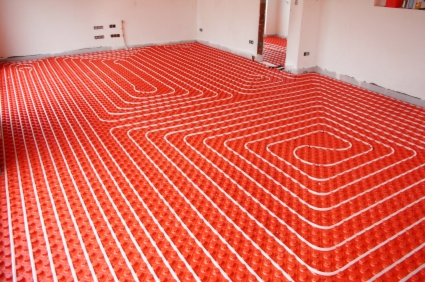
The way in which your underfloor is installed is dictated by the type of underfloor heating system you have. There are 2 main types you can choose from;
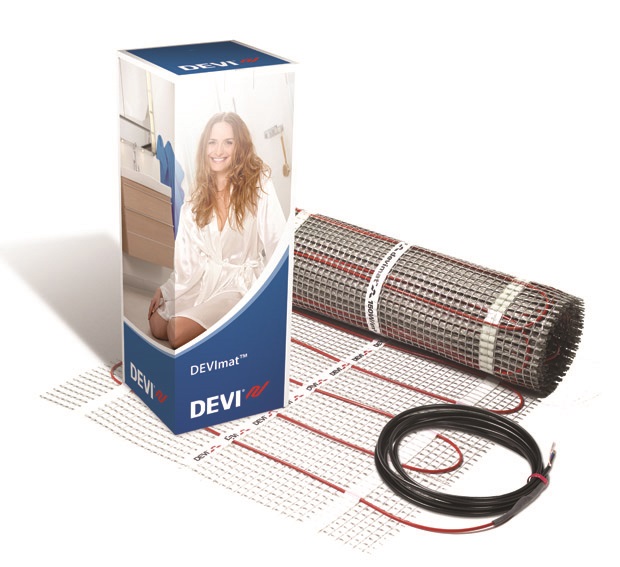 Electric underfloor
 Wet system installations are a little tougher to install so require specialist attention from an experienced installer, so fitting costs may be a little higher than installing an electric underfloor system. Due to the thicker depth of the pipework required, this type of underfloor is also very popular for new builds which can have their floor raised slightly as part of the build. That being said, it is of course possible to introduce wet system underfloor heating to any property. We always recommend you consult an expert before purchasing.
 As a vital part of any underfloor heating system is it’s manifold, which manages the important job of controlling the flow of water to each pipe in the underfloor setup. The manifold therefore allows water into the system and also controls the return flow of the water back to the boiler.
There are a variety of different types of manifold available and the one you require may be dictated by the type of underfloor system you go for (for example, some manifolds may come with an integrated pump if there are flowrate concerns), however you would expect to see a standard supply and return manifold in any underfloor setup.
Yes you can. There are many types of underfloor heating panel out there and most laminate floor panels can be used in conjunction with carpets. You may however find that using carpet may bring the heat output experienced down a little, purely because of the extra material the heat has to get through.
Due to fact that electric underfloor heating setups have thinner wires rather than thicker pipes, it is often recommended that you avoid having a thick carpet laid if you want to enjoy the full benefit of an electric underfloor heating installation.
Yes - underfloor heating can certainly be used in conjunction with laminate floor panelling.
Due to the light weight nature of laminate flooring, popular choices for use with laminate flooring include the Polypipe Overlay Lite underfloor range.
As with anything in life, things can of course go wrong. However there is certainly nothing to be overly concerned about as underfloor heating is no more at risk than any other part of your central heating system.
Important components like your underfloor heating pipes and manifold are rigorously tested prior to installation to ensure they do not leak.
If in the worst case something we to go wrong, you would just need to claim on your home insurance as you would with any other kind of central heating problem/damage.
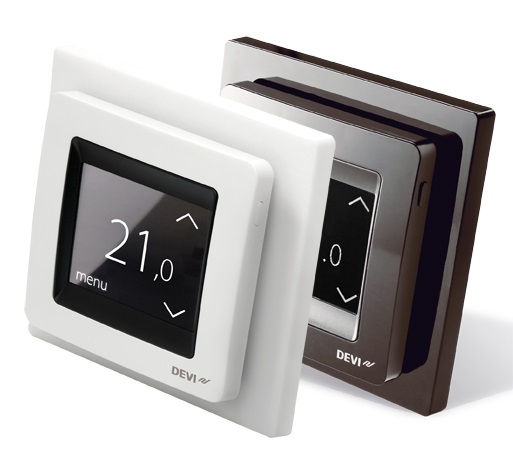 What are the running costs of Electric underfloor heating? Does underfloor heating use much electricity?
 Electric underfloor installations are typically a little more expensive to run when compared to wet system underfloor systems. This is largely down to the simple fact that electricity is more expensive than gas.
Although wet systems are more expensive to install, they can work out a lot cheaper to run in the long term.
To get an idea of the running costs of your electric underfloor heating, find out how many kw/hr the electric one would use per square meter and times this by the cost per kW (this should be available from your heating company or on your most recent bill). You can then times this figure by the estimate about of time you envisage having your underfloor heating on for each day/month.
You can of course look to ensure you make the most of the heating you use by using a set of heating controls (we sell a range here at TDL).
Call for expert advice:
01622 716 758